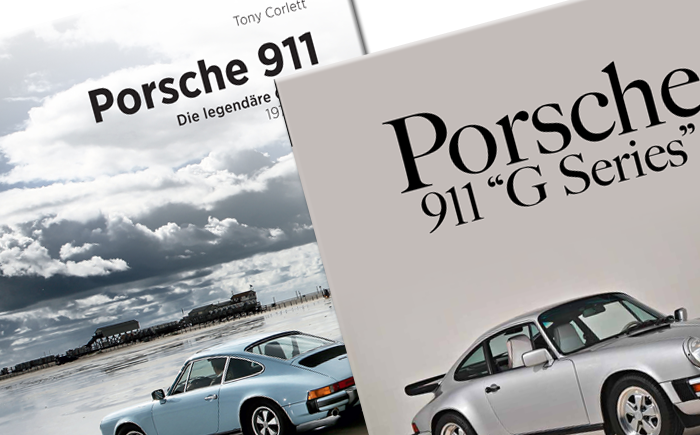
1974 to 1989
The Legend sees a New Era
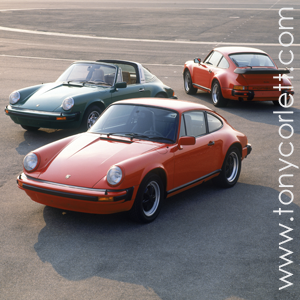
An extensive and detailed look into 911 production cars from 1974, with the introduction of impact bumpers triggering the Second Evolution, to 1989, when the last 911 rolled off the production line, including all variants and special editions, technical data, model and program overviews and 911 features, from the 911 2.7 to the 959 2.8 twin-turbo.
1974 was a significant year in the evolution of the 911 which was to lay the platform for the next ten years to 1984. Following on from the introduction of the 2.7 litre engine in the Carrera RS 2.7, Porsche brought the new engine to its 911 range, but also introduced the Type 930 3.0 litre engine.
With the increased engine capacity to 2.7 litres, the Second Evolution also brought with it arguably one of the 911s most distinctive and indeed controversial aesthetic features, the impact front and rear bumpers with compressive corner bellows.
In production from September 1973 for MY 1974 until 1989, the 911 Second Evolution included many variants throughout its sixteen year production.
Written with the assistance and support of Dr. Ing. h.c. F. Porsche (Porsche AG) in Stuttgart and contains official factory information and photographs.
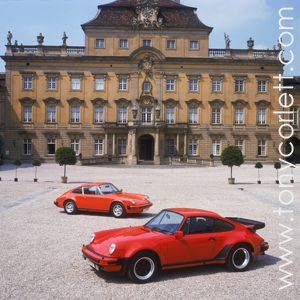
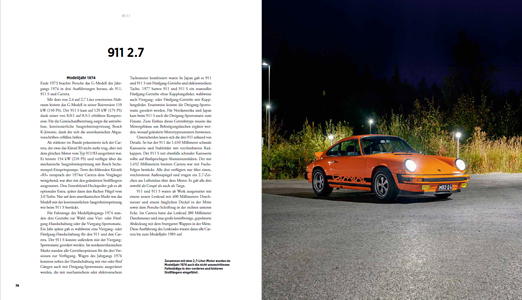
2.7 Litre Porsche hit the road running with the ‘G’ Model in 1974, offering three 911 variants
3.0 Litre The first production Type 930 naturally aspirated 911, also carrying the Carrera badge, and the 911 Turbo
3.2 Litre The 3.2 Carrera was the last Porsche to carry the factory 911 chassis, including Club Sport and Speedster
3.3 Litre Turbo An evolution of the 911 Turbo, in 1978 Porsche introduced a more powerful 3.3 litre engine fitted with a turbo-intercooler
2.8 Litre Twin-Turbo The technically advanced all-wheel-drive 959
In production from September 1973 for MY 1974 until 1989, the 911 second evolution included throughout its sixteen-year production, the 2.7, 2.7S, Carrera 3.0, Carrera RS 3.0, Turbo, SC, SC RS, 959 and, ending with the last 911 chassis designation, the 3.2 Carrera. The Second Evolution also saw the introduction of perhaps one of Porsches greatest eras, the 930 decade.
2.7 Litre Increased from 2.4 to 2.7 litres, the new ‘G’ Model provided a base power of 110KW (150bhp) in the standard 911, with the 911S delivering 129KW (175bhp)
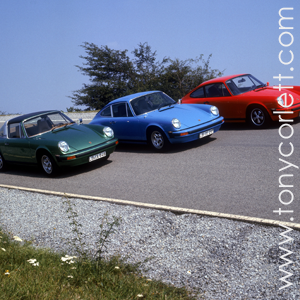
Carrera The second 911 to carry the Carrera name - with impact bumpers but otherwise identical to the 1973 Carrera RS 2.7, with wider 1652mm rear wings and ducktail
Silver Anniversary Edition Porsche marked 25 years of production. In 1975 to celebrate 25 Years of Porsche “Driving in its Purest Form”, Porsche offered the 911 and 911S as a Silver Anniversary Edition 911
Signature Edition To honour Ferry Porsche, a special 911 2.7 Signature Edition was presented in 1976, the first 911 to include a replica of Ferry Porsche’s signature
Sondermodell A limited number of Carreras with Mechanical Fuel Injection in MY 1976 for the European market
3.0, 3.2 and 3.3 Litre The Type 930 engine variant set the standard for fifteen years, first launched in RS guise in the Carrera RS 3.0 in 1974, simultaneously providing the platform for the 911 Turbo
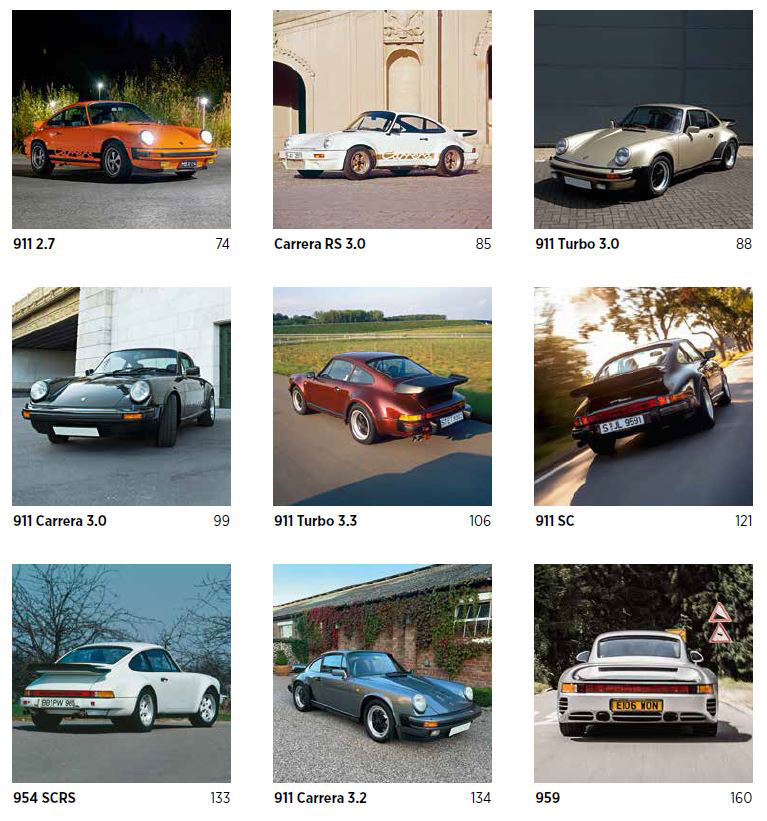
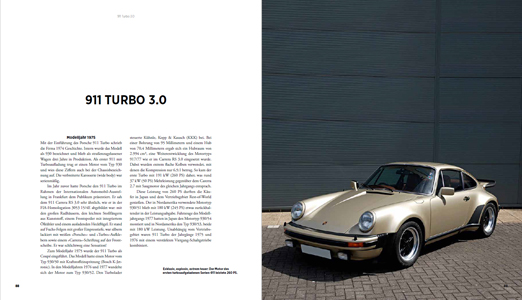
Turbo 3.0 In 1975, Porsche made history by launching the 911 Turbo as a road going car
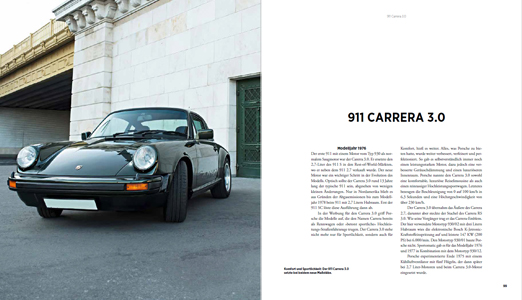
Carrera 3.0 The first production Type 930 naturally aspirated 911, also carrying the Carrera badge, which was to set the standard ‘look’ of the 911 for the next thirteen years
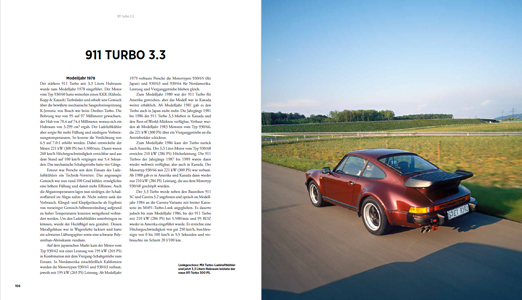
Turbo 3.3 An evolution of the 911 Turbo, in 1978 Porsche introduced a more powerful 3.3 litre turbo engine with intercooler
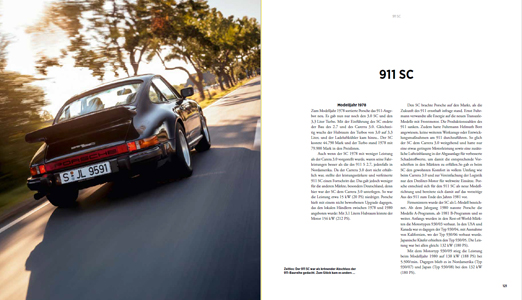
SC Porsche gathered up all the comfort and external features and options of the previous Carrera 3.0 and rationalised the 3.0 litre engine as a new 'SC' model direction with the anticipated wind-up of the 911
Weissach Coupe In 1980, the 911 SC Limited Edition Weissach Coupe was presented to credit Porsche’s Weissach testing facility
Jubilee Edition In 1982, the 911 SC Jubilee Edition was presented to celebrate Porsche’s 50th anniversary
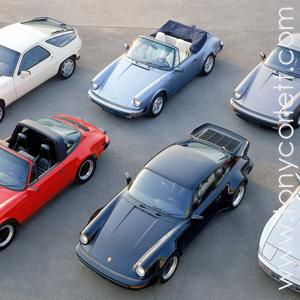
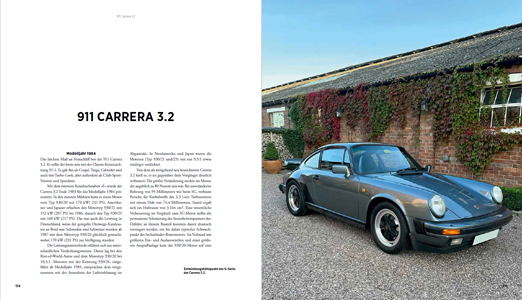
Carrera 3.2 Introduced in 1984 the 3.2 Carrera was the last Porsche to carry the factory 911 chassis and, by definition, the most refined and indeed most advanced 911 to roll out of Zuffenhausen
Club Sport Available from 1987, the Club Sport was a lightened and simplified variant of the 3.2 Carrera Coupé
Speedster In 1989, Porsche finally produced the 911 Speedster to capture the essence of open top motoring as a combination of the Club Sport and the Cabriolet
Commemorative 250,000th 911 In 1988, Porsche introduced the 911 Jubiläums Sonderserie to mark the 250,000th 911 to roll out of Zuffenhausen
25 Years of the 911 In 1989, Porsche introduced the “Jubiläums Sonderserie 25 Jahre” which celebrated 25 years of 911 production from 1963 to 1988
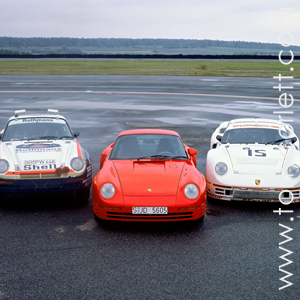
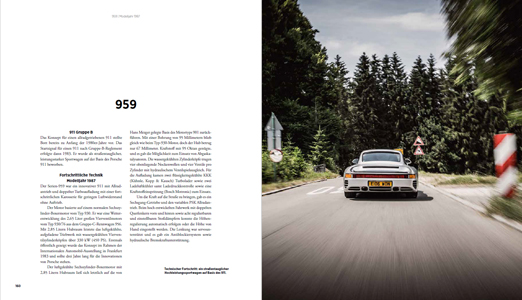
Advanced Technology An advanced four-wheel-drive 911 based around a standard 930 flat-six engine
Body Technology The technologically advanced structure used the basic steel 911 chassis and body
Twin Turbocharged Engine The 959 was the first production car to feature a compound twin-turbo system
Drive Technology The 959 used the PSK (Porsche-Steuer Kupplung), an electronically controlled variable all-wheel drive system
Active Suspension Double wishbone suspension with eight shock absorbers, four of which hydraulically linked to provide electronically controlled ride-height adjustment and damper settings
959 Sport A more powerful and lightened 959 without Active Suspension
Official Factory Information
Written with the assistance and support of Dr. Ing. h.c. F. Porsche (Porsche AG) in Stuttgart
About
+300 pages, 28 Chapters, over 60,000 words and over 300 photographs
A comprehensive look at Porsche's Second Evolution 911s
A fully detailed and documented source of information
Factory photographs
Dedicated to
Peter Schutz - Porsche AG CEO 1981 to 1987
The 911 was to be discontinued in 1981 in favour of the front engine water-cooled trans-axel models. Peter Schutz however, changed that and thus sanctioned the extension of the 911 with the continuation of the SC, Turbo and the creation of the 3.2 Carrera and 959.
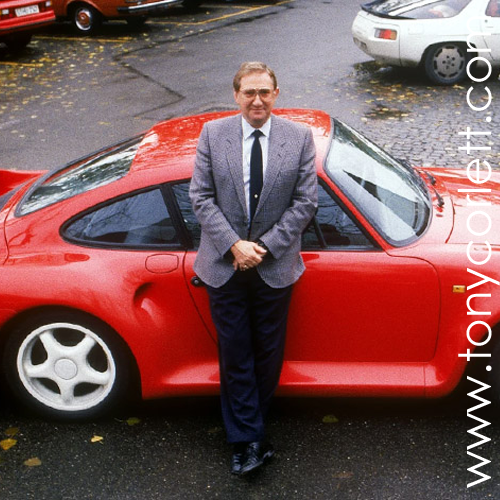

1973 - The Transition Year
Carrera RS 2.7 marked a significant step forward and provided the transition model to take the 911 into a new era
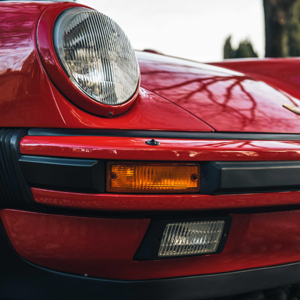
1974 - Impact Bumpers
The 'G' Model saw largest single change to the 911 with the impact-bumpers that triggered the second evolution

Carrera
The History from the 2.7 Carrera in 1974, the Carrera 3.0 in 1976 to the 3.2 Carrera in 1984
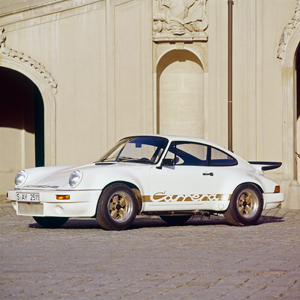
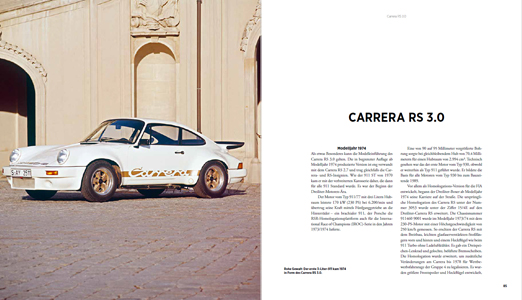
Carrera RS 3.0
3.0 Litre A brute of a machine that provided Porsche with their RSR homologation platform
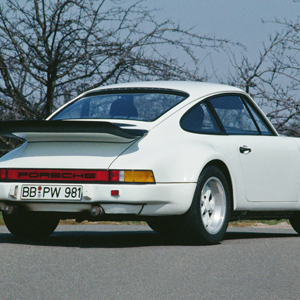
SC RS
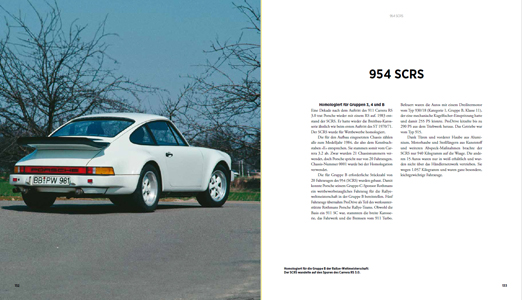
Group B In 1984, Porsche built twenty 954 (SC RS) examples to satisfy the Group B homologation
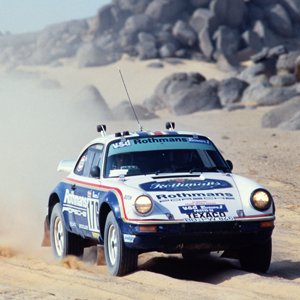
953
Four-Wheel-Drive The manually-operated 953 four-wheel-drive system provided a platform for the 959
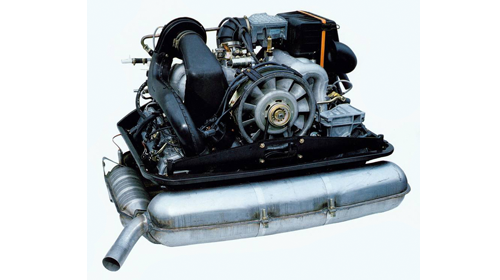
Engines
Flat-Six 2.7 Type 911, 3.0 Type 930, 3.2 Type 930/20, 3.0 Turbo Type 930/50, 3.3 Turbo Type 930/60, 2.8 Twin Turbo Type 959/50
Fuel Injection
Fuel Injection MFI, CIS and Motronic was used on naturally aspirated 911s from 1973 to 1989, with CIS on the 911 Turbo
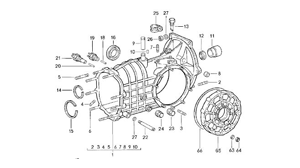
Transmissions
3, 4 & 5 Speed Type 915, Type 930, Type G50, Type G59 PSK, Type 905 Sportomatic, Type 925 Sportomatic
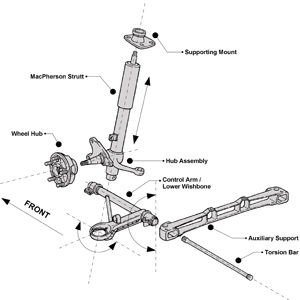
Suspension
Independent Tortion Bars to all 911s and double wishbone coil-over Active Suspension for the 959
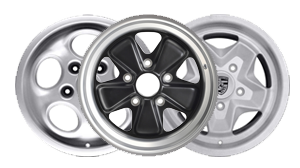
Wheels
Fuchs, ATS and Speedline Three wheel specifications, including steel, cast or forged aluminium, and cast magnesium
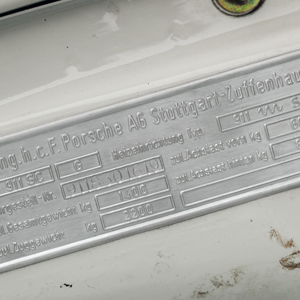
Identification
Overview Chassis Numbers, Colours, Production Numbers, M Codes & Type Numbers
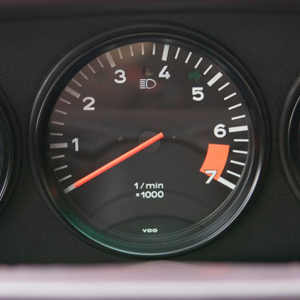
Model & Program Data
Overview Model Types, Model Years, Chassis Numbers, Engine Numbers, Transmission Numbers


A legend is born at the International Motor Show Germany (IAA) in Frankfurt.
It’s 12 September 1963: Porsche proudly presents the eagerly anticipated successor to the 356. The new sports car, originally known as the 901, is following in great footsteps. To reflect the ambitions of the brand, Porsche is now playing in a higher league with the new model: a flat engine with six instead of four cylinders and air-cooled in the best traditions of the company.
Porsche AG Media Release
© TonyCorlett.com. All Rights reserved Template Designed by HTML Codex
Porsche books have been written with the approval and support of Dr. Ing. h.c. F. Porsche (Porsche AG) in Stuttgart and they contain official factory information and photographs
This website has no affilliation with Dr. Ing. h.c. F. Porsche (Porsche AG)